Lake Manyara National Park
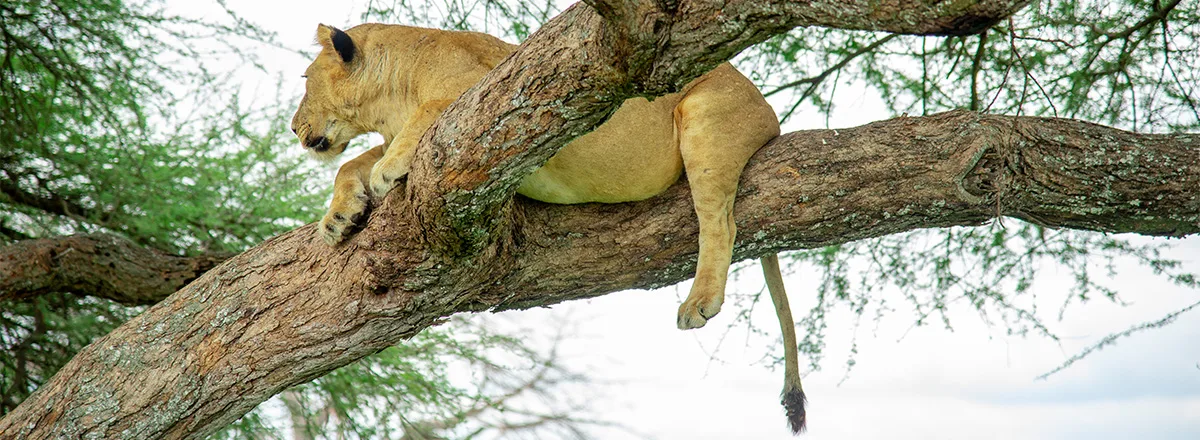
Lake Manyara National Park sits at the base of the Great Rift Valley's escarpment, where dense groundwater forest gives way to open grassland and the shimmering, alkaline Lake Manyara itself. Despite its relatively small size, the park packs in a striking variety of habitats and wildlife, famous in particular for its tree-climbing lions.
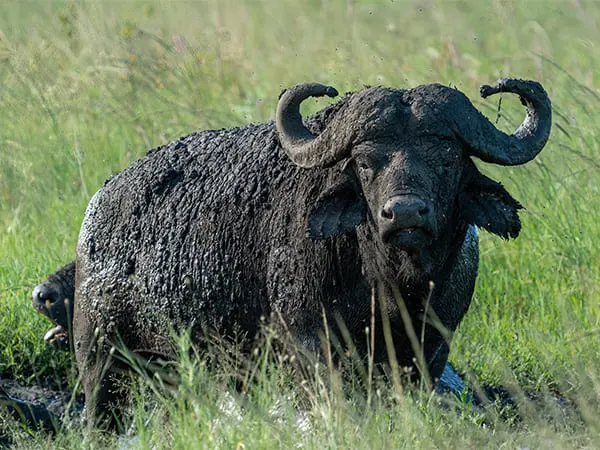
The lake attracts vast flocks of flamingos and pelicans in the right season, while the surrounding forest and grassland support healthy populations of elephant, buffalo, and primates, making Manyara a rewarding stop even on a short visit.
National Park
Fly into Kilimanjaro Int'l or Arusha Airport
Safari travelers
Northern Tanzania
Best Time to Visit
The dry season (June–October) offers the best game viewing, while November–May brings excellent birdlife, including large flamingo flocks on the lake.
Climate
Warm and humid near the lake and groundwater forest, with a shorter dry season than parks further from the Rift Valley escarpment.
Wildlife You Might See
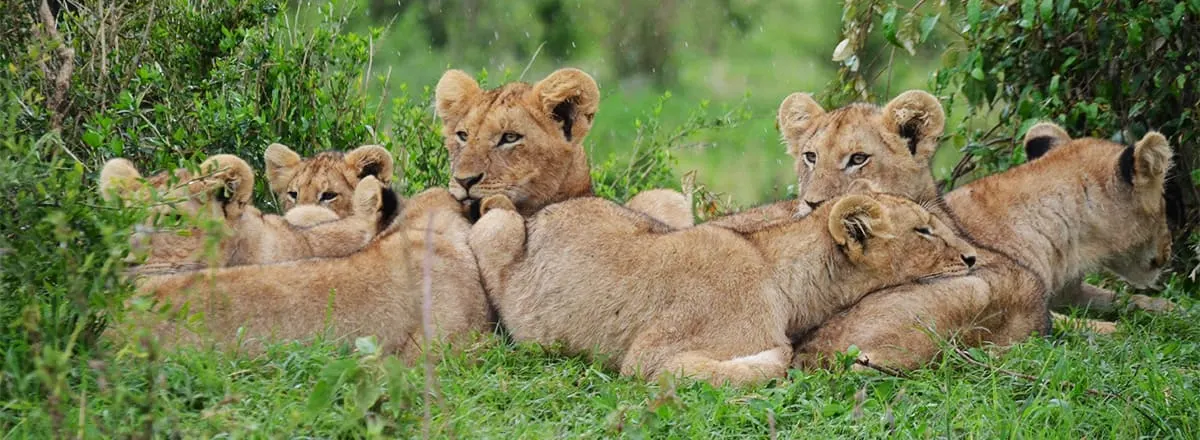
- Tree-climbing lions, one of the park's signature sightings
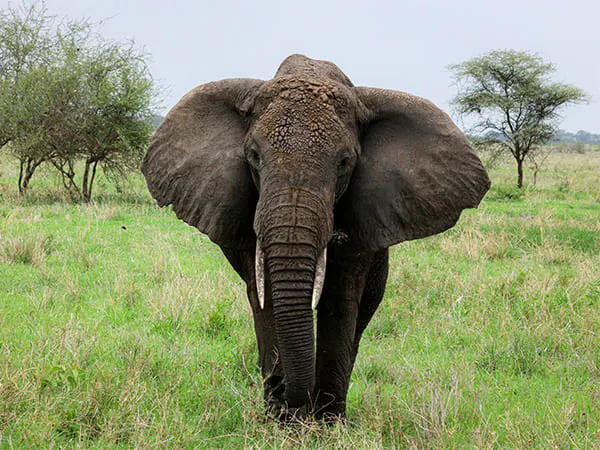
- Large elephant herds in the groundwater forest
- Flamingos and pelicans on Lake Manyara in season
- Blue monkeys and olive baboons in the forest zone
Activities & Attractions
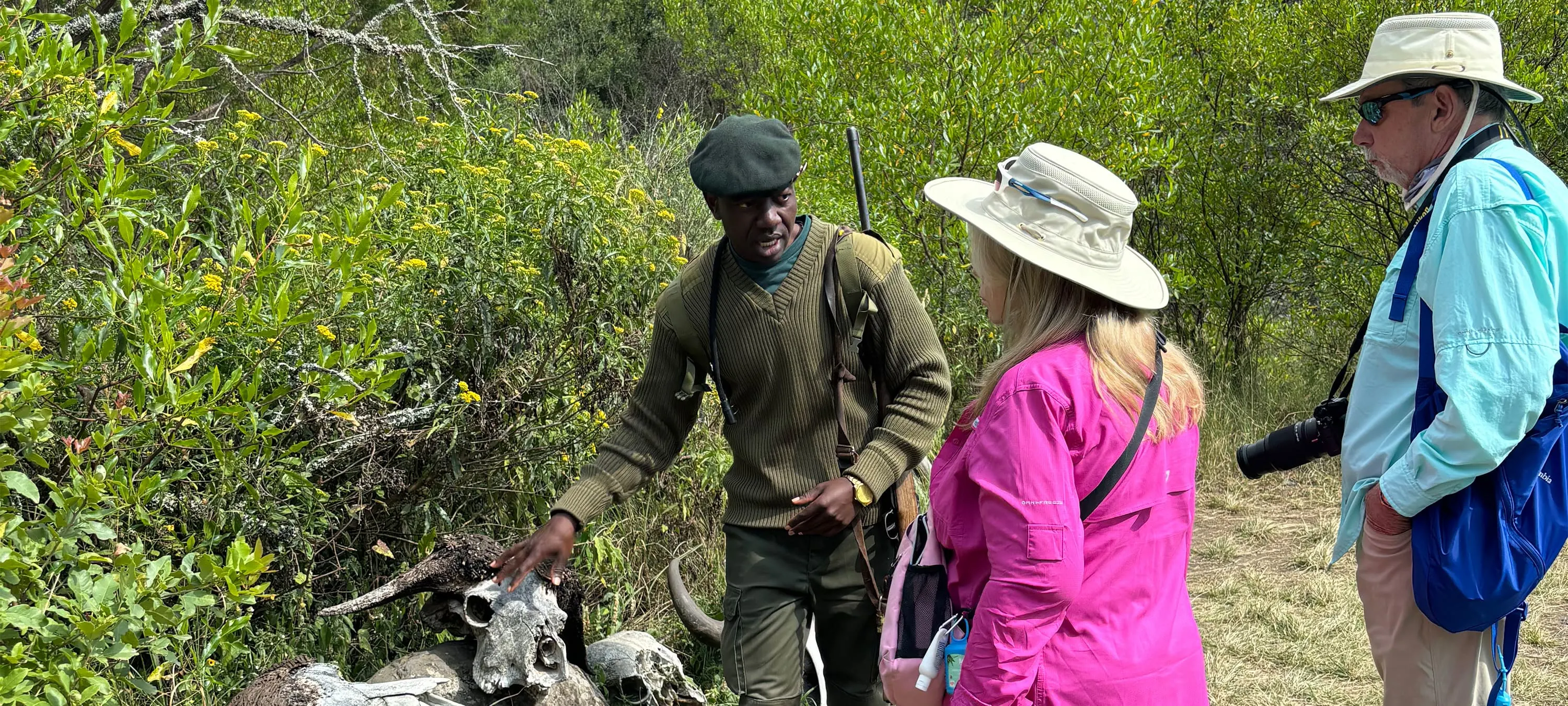
- Game drives through forest, grassland, and lakeshore habitats
- Birdwatching, especially strong during the wet season
- Canoeing on Lake Manyara when water levels allow
- Cultural visits to nearby Mto wa Mbu village
Travel Tips for Lake Manyara National Park
- Manyara is compact, making it a good half-day or full-day stop rather than requiring multiple nights.
- It's commonly visited en route between Arusha/Tarangire and the Serengeti or Ngorongoro.
- Look up, not just ahead — Manyara's tree-climbing lions are often spotted resting in acacia branches.
- Visit during the wet season if birdwatching and flamingos are a priority for your trip.
Lake Manyara National Park Safari Packages
Real itineraries that include Lake Manyara National Park — pick one to see the full day-by-day plan and pricing.


Frequently Asked Questions
Ready to Experience Lake Manyara National Park?
Tell us a little about your trip and our safari experts will send a tailored proposal within hours.
Enquire About Lake Manyara National Park
Thank you!
Your enquiry about Lake Manyara National Park is in. We'll be in touch shortly with a tailored plan.