Ndutu Area
The Ndutu area lies in the southern Serengeti ecosystem, spanning the boundary between the Serengeti National Park and the Ngorongoro Conservation Area around Lake Ndutu and Lake Masek. Its short-grass plains, rich in mineral-laden soil, make it the preferred calving ground for the wildebeest migration, drawing enormous herds between roughly January and March each year.
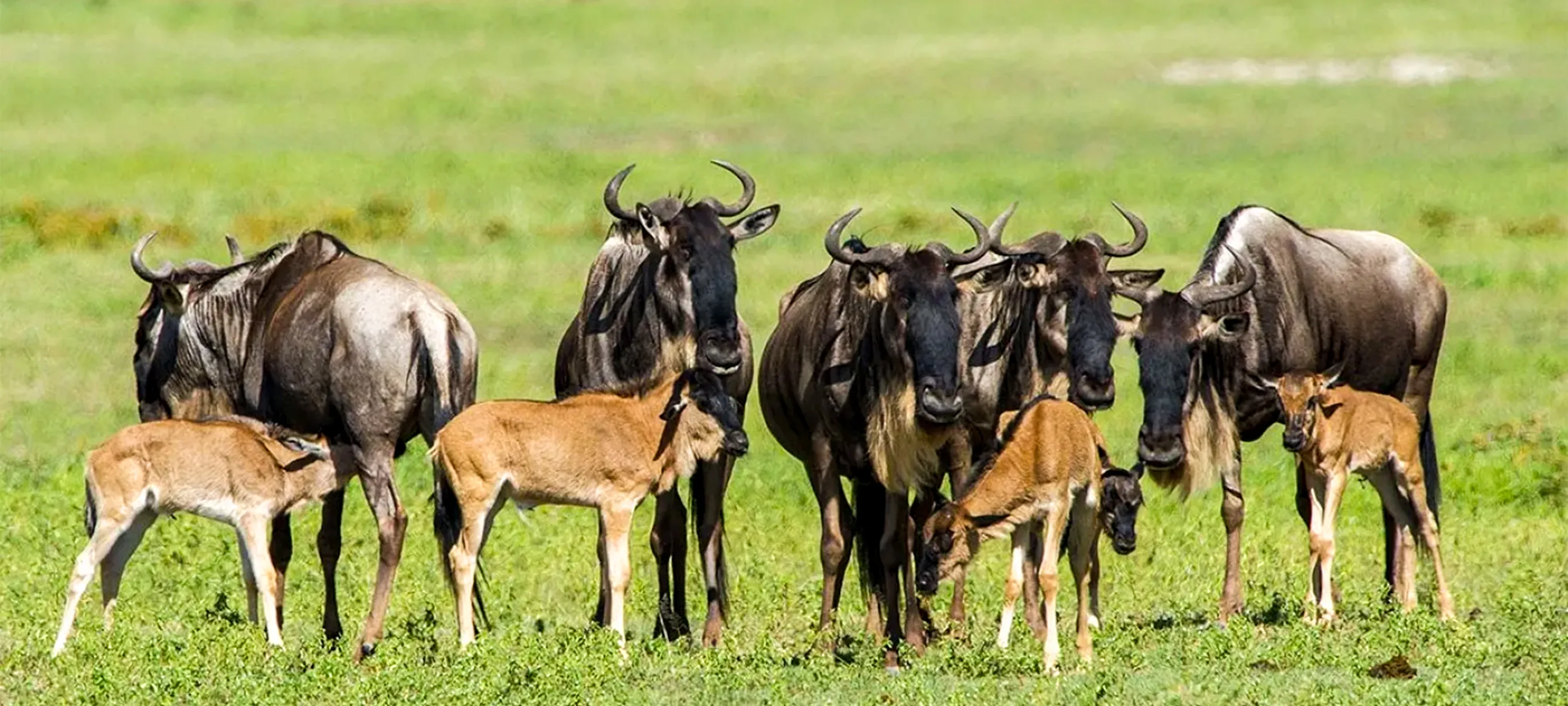
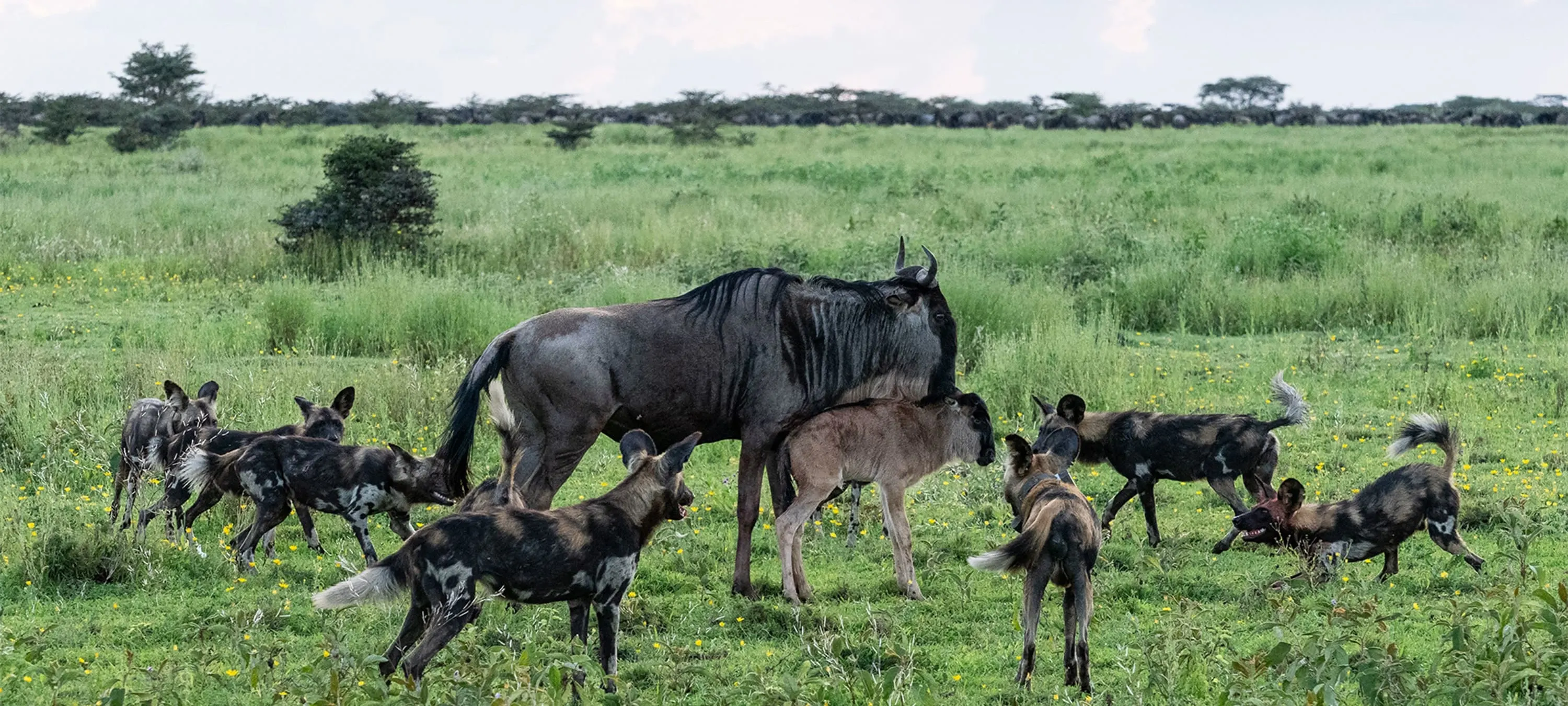
Ndutu's calving season is one of the most dramatic wildlife spectacles in Africa: hundreds of thousands of wildebeest give birth within a few short weeks, drawing large numbers of predators and offering exceptional predator-prey action for visiting safari-goers.
Southern Serengeti Ecosystem
Fly into Kilimanjaro Int'l or Arusha Airport
Safari travelers
Northern Tanzania
Best Time to Visit
December to March is peak season, coinciding with the wildebeest calving period and dense concentrations of predators.
Climate
Warm, open plains climate with short rains typically falling in November and longer rains from March to May.
Wildlife You Might See
- Massive wildebeest and zebra herds during calving season
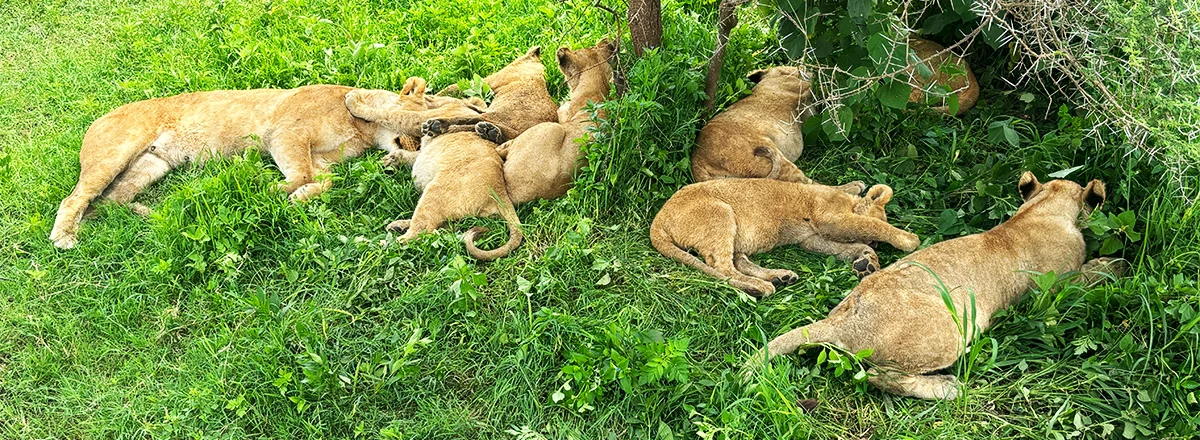
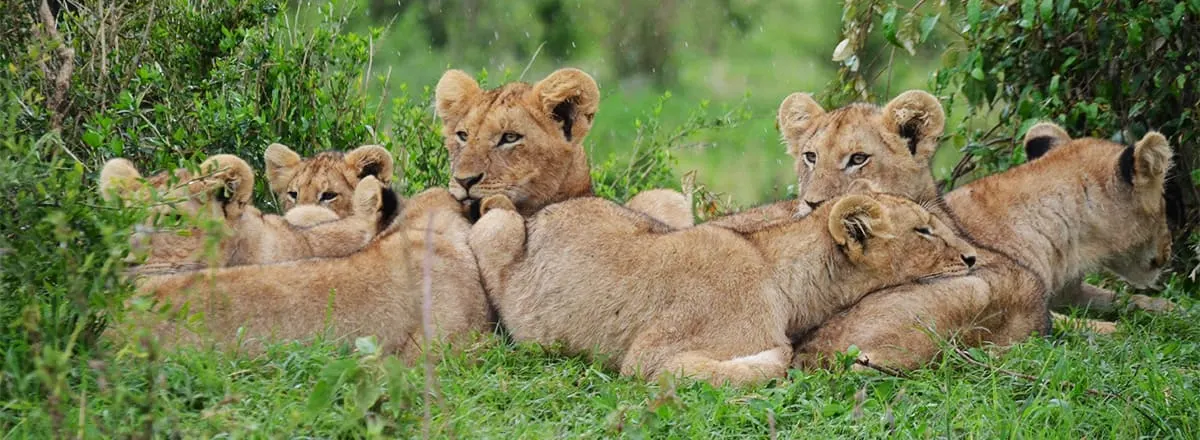
- High concentrations of lion, cheetah, and hyena following the herds
- Newborn wildebeest calves, with hundreds born daily at the peak
- Golden jackal and other plains predators drawn by the abundance of prey
Activities & Attractions
- Calving-season game drives across the short-grass plains
- Predator-focused photography safaris
- Off-road driving permitted in parts of the conservation area for closer wildlife access
- Combination visits with Ngorongoro Crater, just a short drive away
Travel Tips for Ndutu Area
- Book calving-season camps early — Ndutu's limited camps fill up quickly for the January-March window.
- This is one of the best areas in Tanzania for predator action, so allow extra time for game drives rather than rushing through.
- Ndutu sits between the Serengeti and Ngorongoro, making it easy to combine with both on the same itinerary.
- Pack a good zoom lens — predator-prey interactions can unfold quickly across open plains.
Ndutu Area Safari Packages
Real itineraries that include Ndutu Area — pick one to see the full day-by-day plan and pricing.
Frequently Asked Questions
Ready to Experience Ndutu Area?
Tell us a little about your trip and our safari experts will send a tailored proposal within hours.
Thank you!
Your enquiry about Ndutu Area is in. We'll be in touch shortly with a tailored plan.