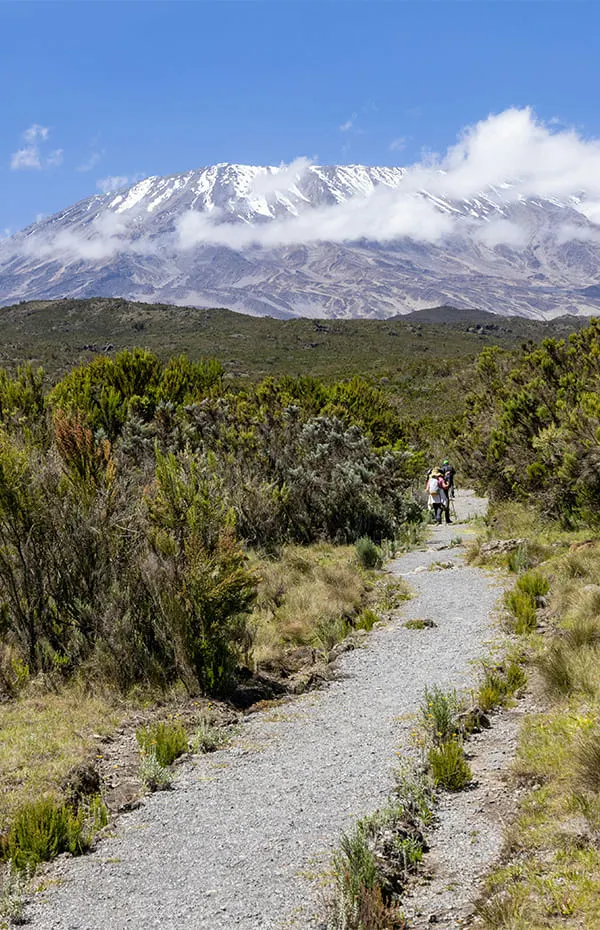
Mount Kilimanjaro
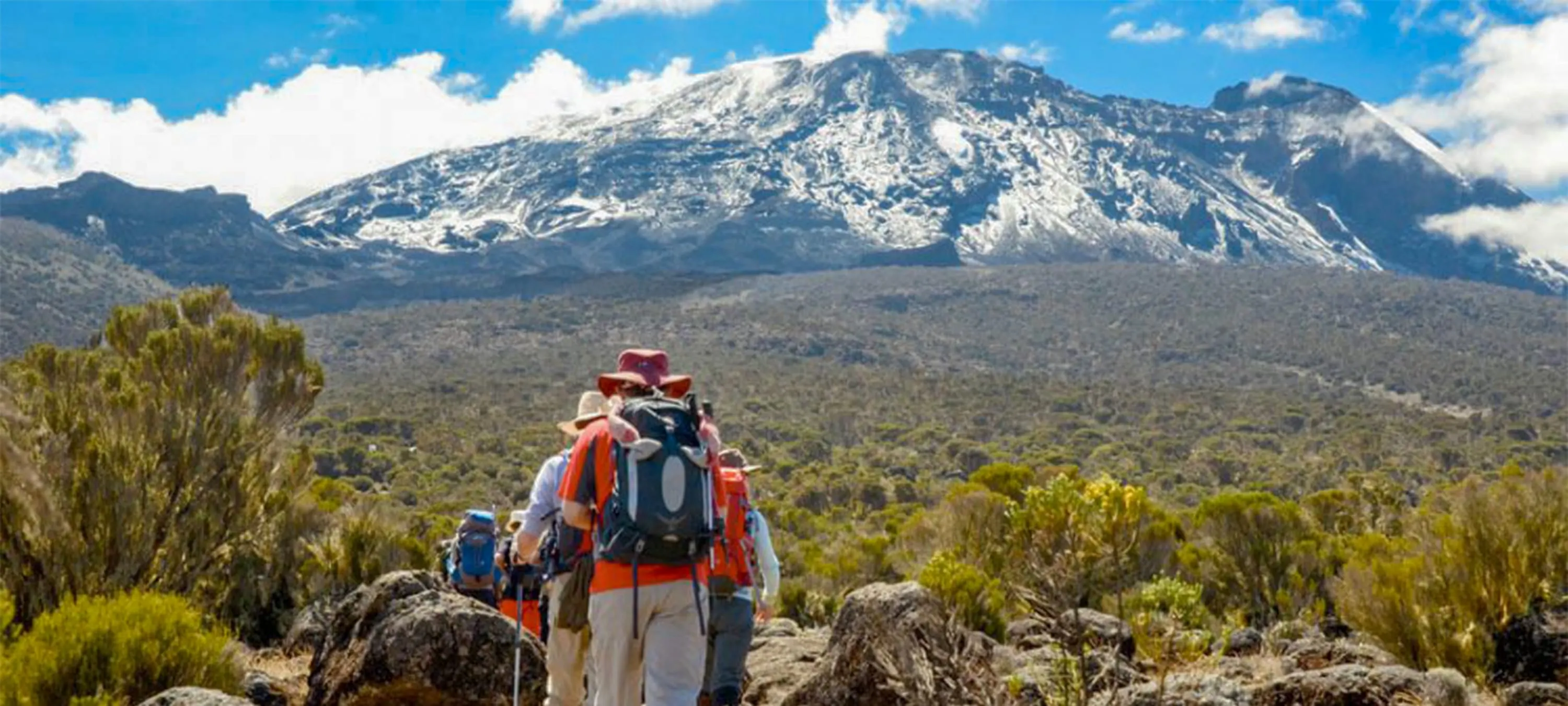
Mount Kilimanjaro is Africa's highest peak and the tallest free-standing mountain in the world, rising to 5,895 metres (19,341 feet) above the plains of northern Tanzania. Dormant but not extinct, this volcanic giant is made up of three cones — Kibo, Mawenzi, and Shira — and its summit, Uhuru Peak, is one of the most sought-after trekking goals on the planet.
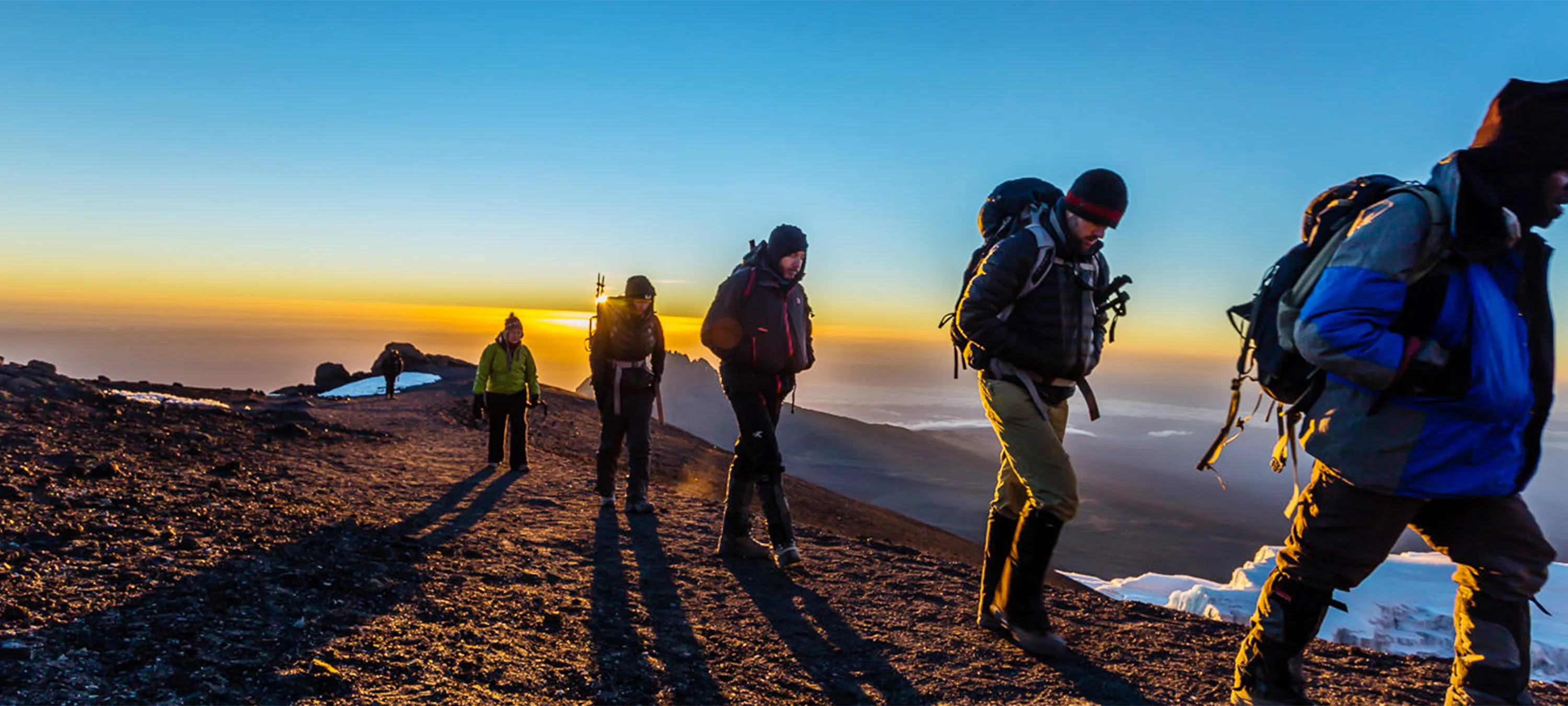
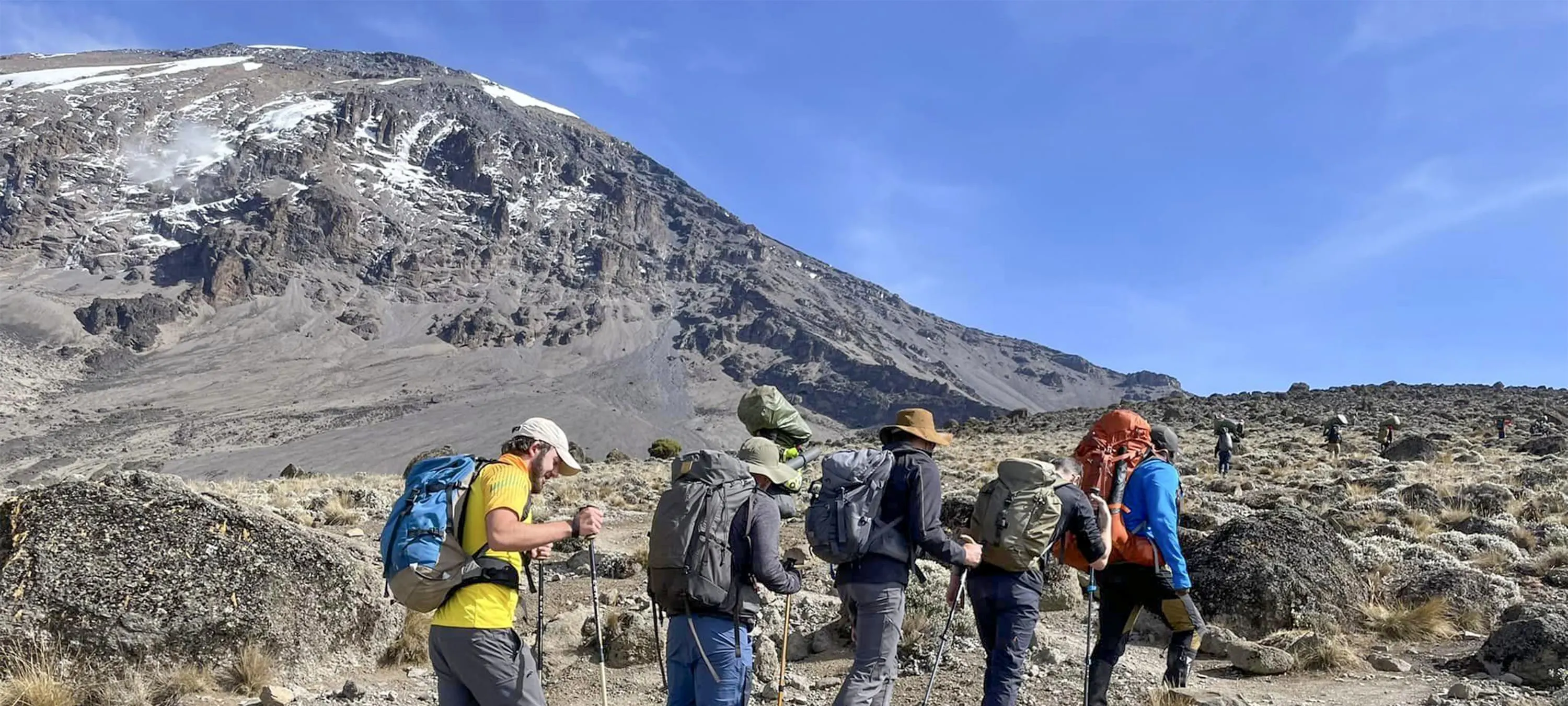
What makes Kilimanjaro remarkable is that it can be climbed without technical mountaineering skills, yet it takes you through five distinct climate zones in a matter of days: cultivated farmland, lush rainforest, moorland, alpine desert, and finally arctic ice near the summit. It's a true bucket-list trek, and no two routes up the mountain feel quite the same.
Mountain
Fly into Kilimanjaro Int'l or Arusha Airport
Trekkers
Northern Tanzania
Best Time to Visit
The best months to climb are January to mid-March and June to October, during Tanzania's two dry seasons. These periods offer the clearest skies and driest trails, which also means better summit success rates.
Climate
Temperatures drop dramatically with altitude — expect warm days at the base (20–25°C) and sub-zero, wind-chilled nights near the summit. Rain gear and proper layering are essential year-round.
Wildlife You Might See
- Blue and colobus monkeys in the rainforest zone
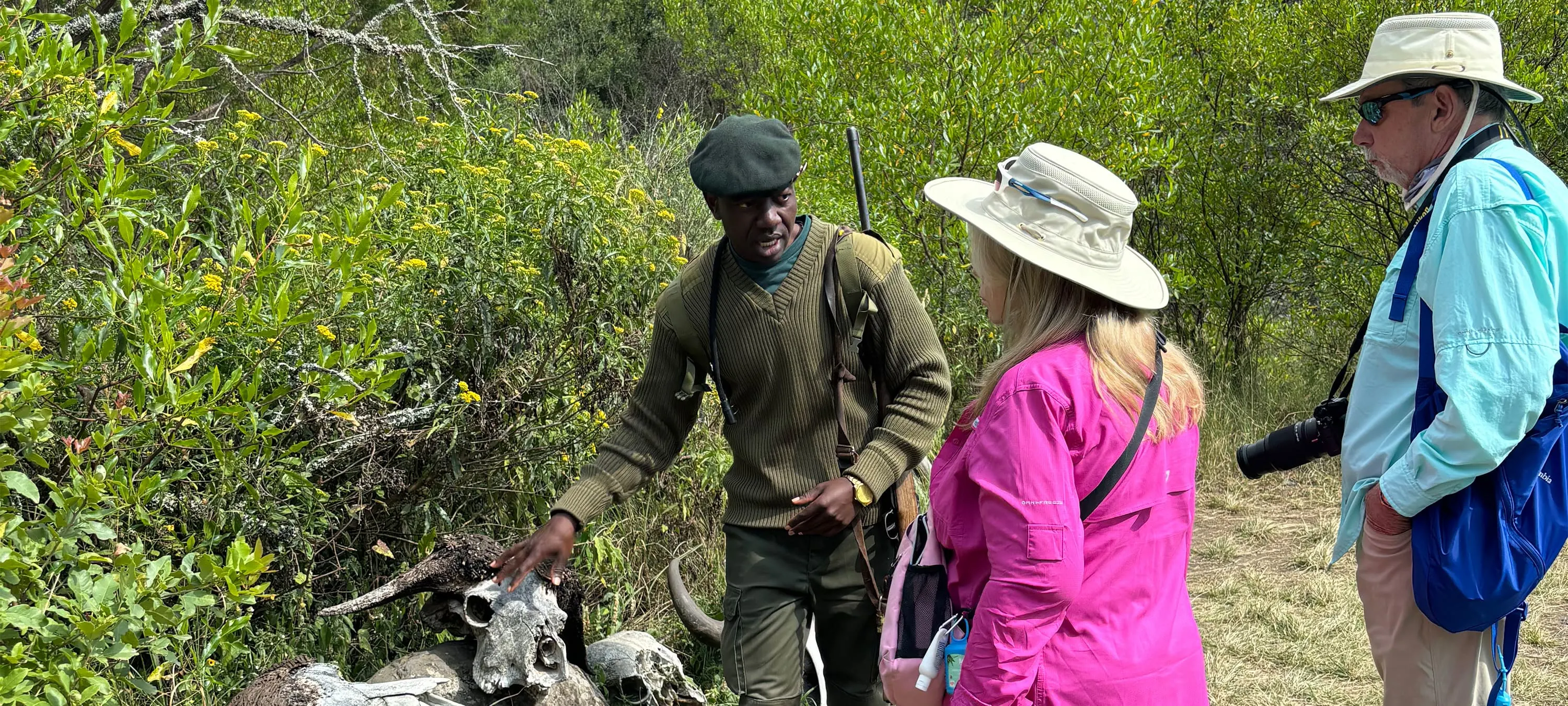
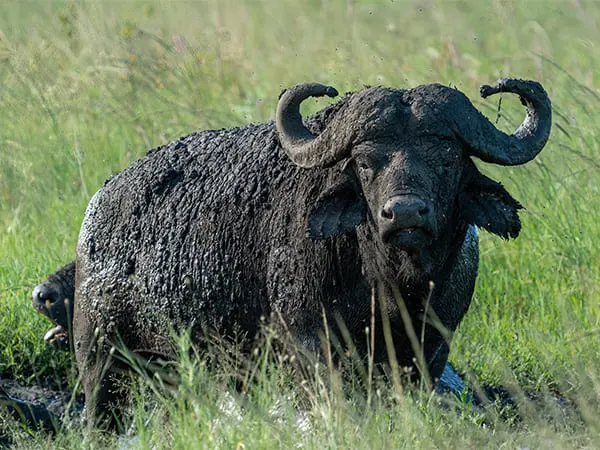
- Elephant and buffalo signs on the lower forest trails (rarely seen but present)
- Alpine birds such as the white-necked raven, often spotted following trekking groups
- Unique high-altitude flora, including giant lobelias and groundsels found nowhere else
Activities & Attractions
- Summit trekking via routes such as Machame, Lemosho, and the Northern Circuit
- Acclimatization day hikes for longer, higher-success itineraries
- Crater rim exploration for trekkers taking extended routes
- Cultural visits to Chagga villages on the mountain's lower slopes
Travel Tips for Mount Kilimanjaro
- Choose a route with at least 6-7 days on the mountain — the extra time for acclimatization significantly improves your chances of reaching the summit comfortably.
- Layered clothing is essential: you'll experience both tropical heat and freezing summit conditions on the same trek.
- A short adjustment period in Arusha or Moshi before your climb helps with altitude acclimatization.
- Trekking poles and broken-in hiking boots make a real difference on Kilimanjaro's long summit night.
Mount Kilimanjaro Safari Packages
Real itineraries that include Mount Kilimanjaro — pick one to see the full day-by-day plan and pricing.
Frequently Asked Questions
Ready to Experience Mount Kilimanjaro?
Tell us a little about your trip and our safari experts will send a tailored proposal within hours.
Thank you!
Your enquiry about Mount Kilimanjaro is in. We'll be in touch shortly with a tailored plan.